English
We teach our English curriculum through a book-based approach. Quality children's literature is at the heart of our curriculum.
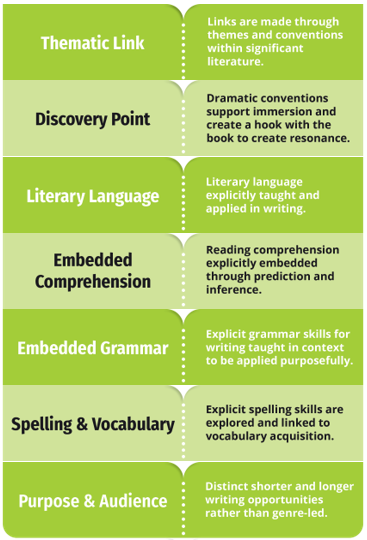
We use the Literacy Curriculum 'Teach through a Text Approach'. Each unit starts with a hook to immerse the children into an experience. This includes lots of speaking, listening and prediction skills. As each unit progresses, it includes reading skills, phonic knowledge, specific grammar teaching, lots of writing for different purposes and finishes with an assessed write which brings together all the skills taught in the unit.
The Teach Through a Text Approach: The Writing Root Pedagogy
Phonics
What do we want our Phonics curriculum to achieve?
- build children's speaking and listening skills
- develop their phonic knowledge and skills
- equip children to apply phonic knowledge and skills as their first approach to reading and spelling even if a word is not completely phonically decodable
- develop fluent readers with secure word recognition skills by the end of Key Stage One
- secure success, confidence and enjoyment
How do we fulfil this?
We use the Little Wandle Letter and Sounds programme - Click here to access the Little Wandle Resources for Parents.
We teach regular phonic sessions in Early Years Foundation Stage and Key Stage One where children learn how to practice and apply phonics to read and write words and sentences
- teach phonics for up to 30 minutes per session
- map incremental progression in phonic knowledge and skills
- track children's progress; assess for further learning and identify early difficulties, so that appropriate support can be provided as same day Keep up or intervention Catch up sessions if required
Year 2 pupils who are secure with their phonics move on to a spelling programme.
Reading
What do we want our Reading curriculum to achieve?
- experience success with reading, learning to rely on phonemic strategies with well-matched books initially
- read easily, fluently and with good understanding
- expose children to a wide range of high quality texts and authors (fiction, poetry and non-fiction) that engage children to be critical readers
- promote the development of pupils' vocabulary
- increase their knowledge of curriculum areas being taught
- develop the habit of reading widely and often, for both pleasure and information
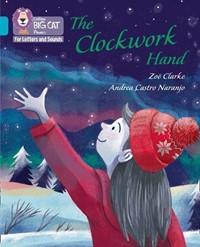
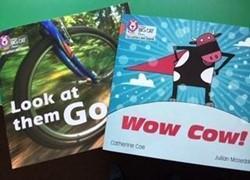
How do we fulfil this?
- as pupils move through the early stages of acquiring phonics, through Letters and Sounds they practise reading texts which are entirely decodable for them
- allocate reading books in school and for home to match the letters and sounds they are practising
- provide additional and targeted support for pupils
- provide regular practice and decreased scaffolding of tasks which increase fluency, early comprehension and expansion of vocabulary
- encourage reading at home
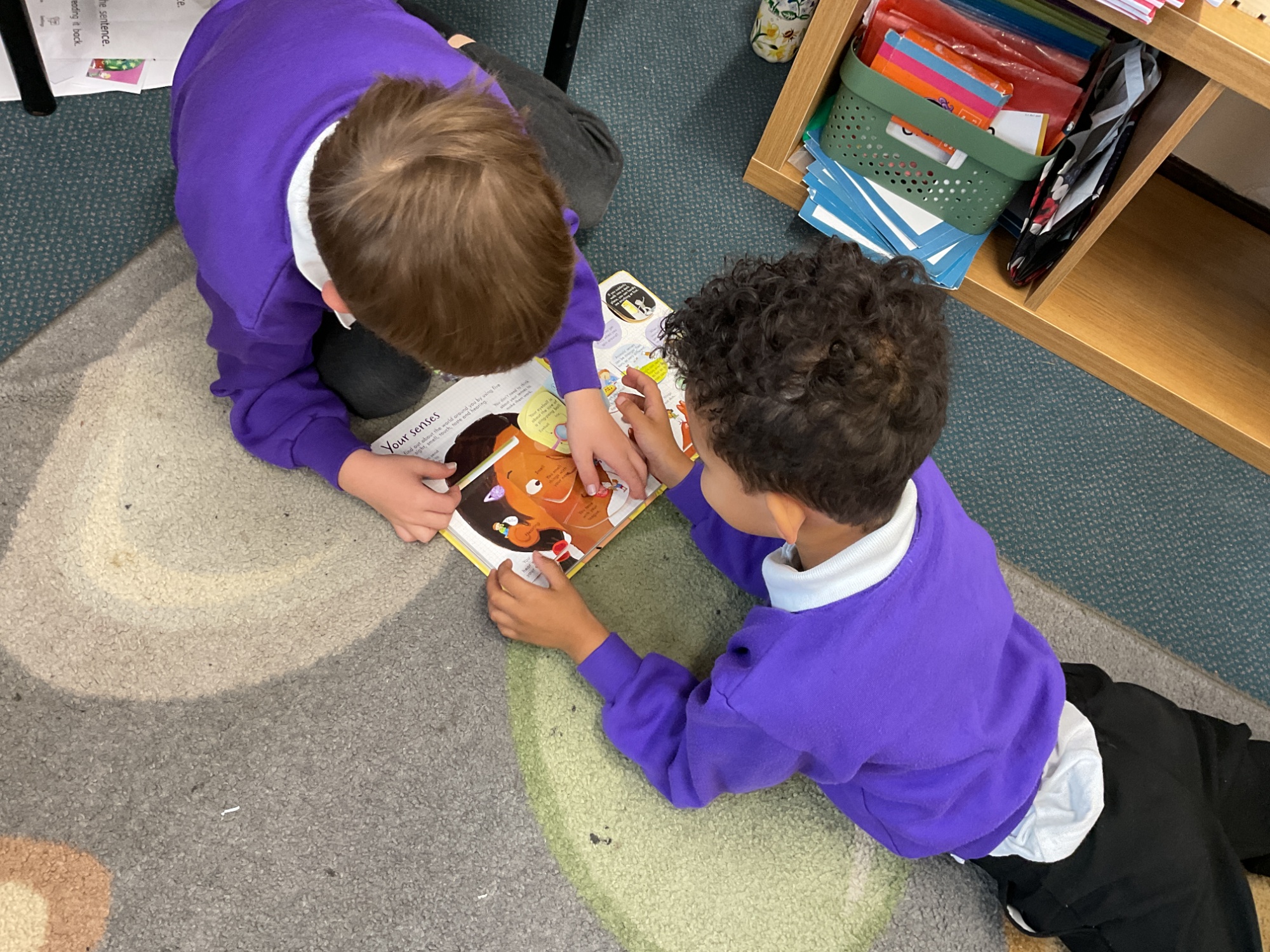
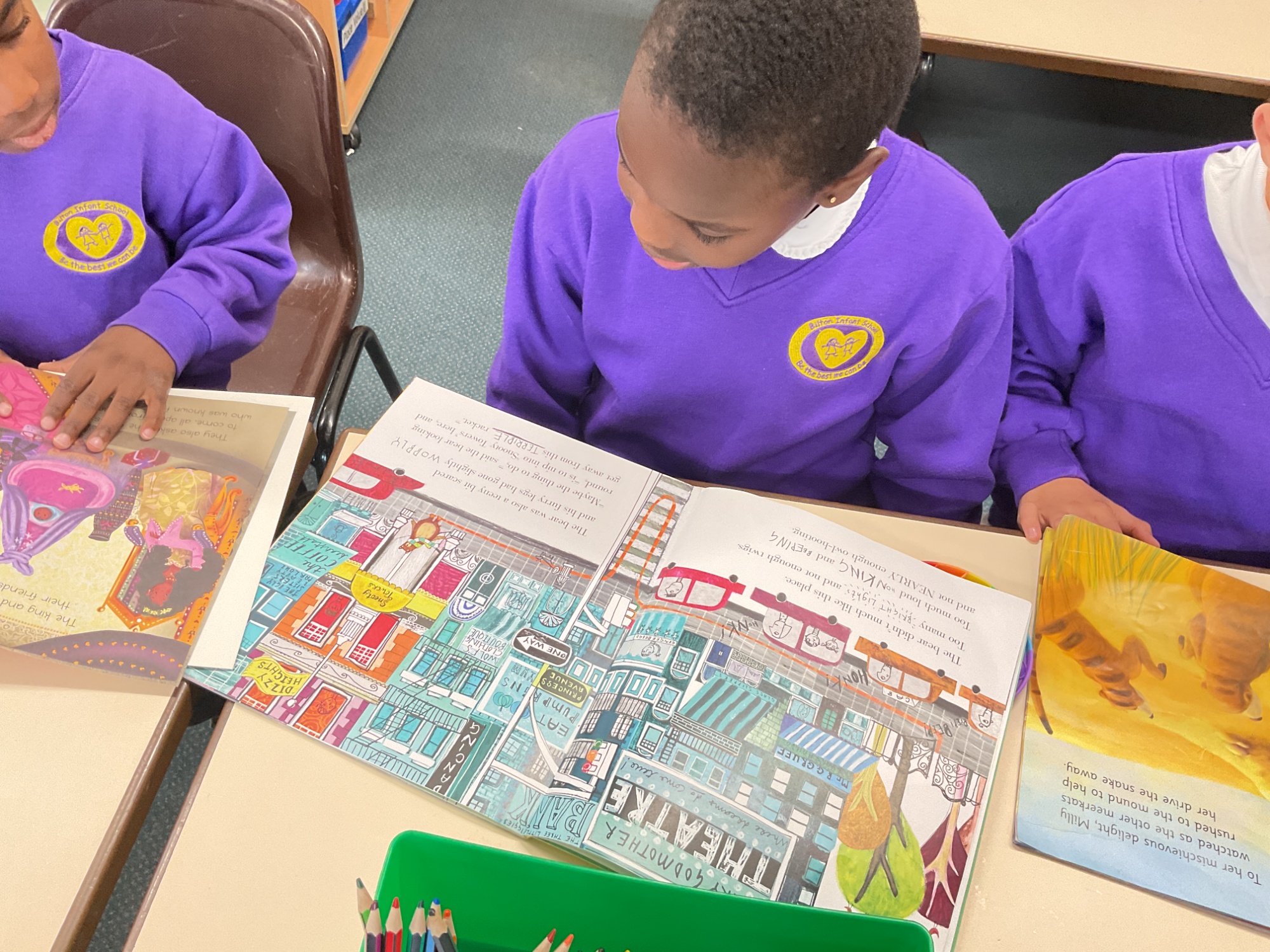
Once children can fluently read books covering Letters and Sounds they move to a suite of book-based comprehension resources to support the teaching of reading, using fiction and on-fiction quality texts.
- use Literary Leaves in whole-class reading sessions or practise reading sessions teaching the skills of reading comprehension.
- focus on a particular skill or two, ensuring that children secure these deeply.
- We promote reading through quality books in classrooms, termly reading enrichment events, bedtime story sessions, book fairs, fund-raising and parent workshops.
- We have a school library where children are encouraged to borrow a book each week.
- Alongside these reading books, we share a range of high quality texts as a whole class. We use these to support the learning of writing skills.
Writing
What do we want our Writing curriculum to achieve?
- Immerse children in a literary world through high-quality texts
- Engage children with meaningful and authentic contexts to be informed writers

How do we fulfil this?
- Use a wide range of high-quality literature as the starting point for all children's work, with core texts per cohort
- Provide an engaging starting point
- Engage with significant authors with a variety of shorter and longer writing opportunities where the purpose and audience are clear
- Provide opportunities to write individually and in groups, discussing work with their teacher, with reduced scaffolding to increase independence
- Use carefully selected stories, poems and life experiences to learn the drafting process, spelling patterns and grammatical terms in the context of discussion about their own writing
- Learn a set of spellings based upon a wide range of spelling patterns and common exception words each week
- Encourage and practice handwriting skills in discrete lessons and application of neat presentation.
We use Letterjoin for teaching and refining our handwriting skills. In EYFS we practise forming the printed versions of the letters.
In Key Stage 1, we begin to use cursive letters, learning about exit strokes ready to join. You can download our letter formation in the files at the bottom of this page.
Speaking and Listening
What do we want our Speaking & Listening curriculum to achieve?
- ensure the continual development of pupils’ confidence and competence in spoken language and listening skills in a range of scenarios
- acquire a wide vocabulary for reading, writing and spoken language; use this vocabulary across the curriculum
- use discussion in order to learn; be able to elaborate and explain clearly their understanding and ideas
How do we fulfil this?
- screen children's language skills on arrival to school to identify strengths and areas to develop
- identify key vocabulary we want the children to learn across the curriculum
- provide appropriate support for teaching and learning and deliver targeted intervention programmes to improve vocabulary and language skills
- encounter a range of situations, activities and audiences, which are designed to develop confidence and competence
- promote these by encouraging children to listen carefully and to speak confidently and clearly
- use role-play and the opportunity to take part in drama in class, circle time, class assemblies and school production